Temario del curso
Introducción
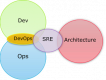
- Cómo SRE integra la TI tradicional y el desarrollo de software.
- La necesidad de automatización y observabilidad.
- El rol de los ingenieros de software frente a los administradores de sistemas.
- Ingenieros de Site Reliability Engineering frente a ingenieros DevOps.
Visión general de un sistema de TI
- Arquitectura de sistemas, on-premise y en la nube.
Visión general de principios y prácticas de SRE
- Infraestructura como Código (Infrastructure as a Code).
- El rol de la contenerización y la orquestación (Docker, Kubernetes, etc.).
- Integración continua, despliegue continuo y entrega continua.
- Observabilidad.
Evaluación de un sistema de TI
- Revisar los recursos del equipo y de la organización.
- Mapear los sistemas y procesos.
- Estimar el impacto potencial de SRE.
- El rol del equipo de ingeniería de software.
- El rol del equipo operativo.
- El rol de la gerencia.
Mantenimiento de la confiabilidad de un sistema
- Describir y medir la confiabilidad deseada de un servicio.
- Comprender los Objetivos de Nivel de Servicio (SLO).
- Comprender los Indicadores de Nivel de Servicio (SLI) y los Acuerdos de Nivel de Servicio (SLA).
- Trabajo con Presupuestos de Error (Error Budgets).
- Desarrollo de un SLO.
Optimización de la administración de sistemas
- Configuración de un entorno de desarrollo.
- Evaluación de herramientas de SRE.
- Priorización de tareas para automatización.
- Escritura de software.
Despliegue de "Infraestructura como Código"
- Pruebas e iteración de código.
- Hacer un sistema antifrágil.
- Aprender del fracaso.
Monitoreo de un sistema
- Observación del rendimiento del sistema.
- Herramientas y técnicas de SRE.
El futuro de SRE
Requerimientos
- Un entendimiento general de la infraestructura de TI.
- Una idea general del proceso de desarrollo de software.
- Experiencia en programación o scripting en cualquier lenguaje.
Audiencia
- Desarrolladores
- Administradores de sistemas
- Arquitectos de software
- Ingenieros DevOps
- Gerentes de TI
Reseñas (7)
Cómo se explican los temas detallados con ejemplos del mundo real
Brian Hlabane - African Bank
Curso - Site Reliability Engineering (SRE) Fundamentals
Traducción Automática
Ella es experta en el área y proporciona un entrenamiento realmente excelente. El material y la formación fueron una mezcla de ejemplos, discusiones y
Peter Tutka - Deutsche Telekom IT & Telecommunications Slovakia s.r.o.
Curso - Site Reliability Engineering (SRE) Fundamentals
Traducción Automática
Visión del SRE/DevOps desde un punto de vista más empresarial y teórico. Especialmente útil para personas que ya tienen la visión práctica.
Michael Varhol - Deutsche Telekom IT & Telecommunications Slovakia s.r.o.
Curso - Site Reliability Engineering (SRE) Fundamentals
Traducción Automática
Enfoque de la formación para enviar un cuestionario antes del entrenamiento, de manera que la formación se planificó según las expectativas. Esto hace que los participantes sean más activos.
Stefan Girman - Deutsche Telekom IT & Telecommunications Slovakia s.r.o.
Curso - Site Reliability Engineering (SRE) Fundamentals
Traducción Automática
Apegándose a la encuesta inicial de los asistentes sobre qué debería ser el enfoque del entrenamiento.
Denis Majorsky - Deutsche Telekom IT & Telecommunications Slovakia s.r.o.
Curso - Site Reliability Engineering (SRE) Fundamentals
Traducción Automática
discusiones, definición de SRE
Daniel Horvath - Deutsche Telekom IT & Telecommunications Slovakia s.r.o.
Curso - Site Reliability Engineering (SRE) Fundamentals
Traducción Automática
Concepto del entrenamiento, manteniendo a las personas enfocadas al hacerles preguntas y fomentar discusiones. Además, las sesiones de trabajo en grupos fueron excelentes para pensar en cosas de manera colectiva y ver diferentes resultados de otros grupos.
Blazej Farkas - Deutsche Telekom IT & Telecommunications Slovakia s.r.o.
Curso - Site Reliability Engineering (SRE) Fundamentals
Traducción Automática