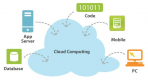
Google Kubernetes Engine (GKE) Training Course
Google Kubernetes Engine (GKE) is a managed Kubernetes service designed to streamline the deployment and administration of Kubernetes clusters within Google Cloud.
Through this instructor-led live training, attendees will gain the skills necessary to establish and oversee a production-grade container environment utilizing Kubernetes on Google Cloud.
Upon completing this course, participants will be equipped to:
- Set up and administer Kubernetes on Google Cloud.
- Deploy, manage, and scale Kubernetes clusters.
- Launch containerized (Docker) applications on Google Cloud.
- Transfer existing Kubernetes environments from on-premise infrastructure to Google Cloud.
- Connect Kubernetes with third-party continuous integration (CI) tools.
- Guarantee high availability and disaster recovery capabilities within Kubernetes.
Course Structure
- Engaging lectures and group discussions.
- Extensive hands-on exercises and practice sessions.
- Practical implementation in a live laboratory setting.
Customization Options
- Various Docker images may serve as demonstration examples during the training (e.g., Nginx, MongoDB, Tomcat, among others).
- For requests regarding specific images or other customizations, please reach out to us to make arrangements.
Course Outline
Introduction
Overview of Docker Containers and Kubernetes in Google Cloud
Overview of Google Cloud Container Management Offerings and Architecture
Getting Started with Google Kubernetes Engine
Building a Kubernetes Cluster with Google Kubernetes Engine
Networking Kubernetes Pods
Migrating from On-premise to Google Cloud
Integrate Kubernetes with Continuous Integration (CI)
Ensuring High Availability and Disaster Recovery in Kubernetes
Troubleshooting
Summary and Conclusion
Requirements
- Familiarity with container concepts.
- Practical experience with application development and deployment workflows.
Target Audience
- Software Developers.
- System Administrators.
- DevOps Engineers.
Open Training Courses require 5+ participants.
Google Kubernetes Engine (GKE) Training Course - Booking
Google Kubernetes Engine (GKE) Training Course - Enquiry
Google Kubernetes Engine (GKE) - Consultancy Enquiry
Testimonials (2)
All of the training was great. Especially liked the training documentation to reference. Looking forward to the Advanced Training, when we are ready.
Amy Gregg - Qualfon
Course - Boomi Integration Fundamentals
I've find out new interesting things about Lambda and Serverless
Oleg Buldumac - PUBLIC COURSE
Course - AWS Lambda for Developers
Upcoming Courses
Related Courses
AWS IoT Core
14 HoursThis instructor-led, live training in Argentina (onsite or remote) is aimed at engineers who wish to deploy and manage IoT devices on AWS.
By the end of this training, participants will be able to build an IoT platform that includes the deployment and management of a backend, gateway, and devices on top of AWS.
Amazon Web Services (AWS) IoT Greengrass
21 HoursThis instructor-led, live training in Argentina (online or onsite) is designed for developers who wish to install, configure, and manage AWS IoT Greengrass capabilities to create applications for various devices.
By the end of this training, participants will be able to use AWS IoT Greengrass to build, deploy, manage, secure, and monitor applications on intelligent devices.
AWS Lambda for Developers
14 HoursThis instructor-led live training in Argentina (onsite or remote) is designed for developers who wish to use AWS Lambda to build and deploy services and applications to the cloud, without needing to worry about provisioning the execution environment (such as servers, VMs, and containers, as well as availability, scalability, and storage).
By the end of this training, participants will be able to:
- Configure AWS Lambda to execute a function.
- Understand FaaS (Functions as a Service) and the benefits of serverless development.
- Build, upload, and execute AWS Lambda functions.
- Integrate Lambda functions with various event sources.
- Package, deploy, monitor, and troubleshoot Lambda-based applications.
Boomi Integration Fundamentals
14 HoursThis live, instructor-led training in Argentina (online or onsite) is designed for integration developers, system administrators, and system integrators who wish to use Boomi to build, manage, and deploy integration platforms for cloud-based solutions.
By the end of this training, participants will be able to:
- Set up the necessary environment to start building integrations with Boomi.
- Understand Boomi AtomSphere's features, architecture, and core concepts.
- Learn how to design, build, and deploy integration processes with Boomi.
- Use Boomi's dashboard and reporting options to monitor applications.
- Manage configurations and deployments for Atom, Molecule, and Atom Cloud.
- Enable web services and API integration and management with Boomi.
Boomi Developer Advanced
28 HoursThis instructor-led live training in Argentina (available online or on-site) is designed for intermediate to advanced integration developers and system administrators who aim to learn advanced Boomi techniques for building, managing, and deploying cloud-based solutions on integration platforms.
By the end of this training, participants will be able to:
- Utilize AtomSphere and handle Boomi documents.
- Construct and design complex integration processes for advanced logic and data processing.
- Oversee the deployment of integration processes, along with logging and reporting.
- Identify and manage errors effectively.
- Implement best practices and techniques for integrating with Boomi.
DO180: Introduction to Containers, Kubernetes & OpenShift
35 HoursDO180 serves as a foundational guide to containers, core Kubernetes principles, and Red Hat OpenShift platform concepts, emphasizing practical, hands-on learning.
This live, instructor-led training—available either online or at your location—is designed for technical professionals at beginner to intermediate levels who aim to master container workflows, understand Kubernetes primitives, and learn to deploy and manage applications on OpenShift.
Upon completion of this training, participants will be equipped to:
- Create and manage container images and registries, adhering to best practices for security and reproducibility.
- Deploy and administer Kubernetes objects, including pods, deployments, and services, within OpenShift.
- Leverage OpenShift features such as routes, BuildConfigs, and the web console to accelerate application delivery.
- Configure persistent storage, handle configuration management, and manage secrets to support stateful workloads.
- Implement essential security measures, Role-Based Access Control (RBAC), and monitoring practices to ensure cluster and application health.
Course Delivery Format
- Interactive lectures and discussions.
- Daily hands-on labs conducted in a live OpenShift environment.
- Scenario-based exercises and troubleshooting workshops.
Customization Options
- For inquiries regarding customized training for this course, please contact us to arrange.
Mastering DevOps with AWS Cloud9
21 HoursThis instructor-led, live training in Argentina (online or onsite) is aimed at advanced-level professionals who wish to deepen their understanding of DevOps practices and streamline development processes using AWS Cloud9.
By the end of this training, participants will be able to:
- Set up and configure AWS Cloud9 for DevOps workflows.
- Implement continuous integration and continuous delivery (CI/CD) pipelines.
- Automate testing, monitoring, and deployment processes using AWS Cloud9.
- Integrate AWS services such as Lambda, EC2, and S3 into DevOps workflows.
- Utilize source control systems like GitHub or GitLab within AWS Cloud9.
Developing Serverless Applications on AWS Cloud9
14 HoursThis instructor-led, live training in Argentina (online or onsite) is aimed at intermediate-level professionals who wish to learn how to effectively build, deploy, and maintain serverless applications on AWS Cloud9 and AWS Lambda.
By the end of this training, participants will be able to:
- Understand the fundamentals of serverless architecture.
- Set up AWS Cloud9 for serverless application development.
- Develop, test, and deploy serverless applications using AWS Lambda.
- Integrate AWS Lambda with other AWS services such as API Gateway and S3.
- Optimize serverless applications for performance and cost efficiency.
Deploying Kubernetes Applications with Helm
7 HoursThis instructor-led, live training in Argentina (online or onsite) is designed for engineers looking to leverage Helm to simplify the installation and management of Kubernetes applications.
Upon completion of this training, participants will be able to:
- Install and configure Helm.
- Build reproducible Kubernetes applications.
- Distribute applications as Helm charts.
- Execute third-party applications provided as Helm charts.
- Manage Helm package releases.
Industrial Training IoT (Internet of Things) with Raspberry PI and AWS IoT Core
8 HoursSummary:
- Grasping IoT architecture and its fundamental operations.
- Examining the concepts of "Things" and "Sensors," the Internet of Things, and aligning business functions with IoT solutions.
- A detailed look at IoT software elements: hardware, firmware, middleware, cloud infrastructure, and mobile apps.
- Core IoT capabilities: Fleet management, data visualization, SaaS-based FM and DV, alerting systems, onboarding sensors and "things," and geo-fencing.
- Foundational principles of device-to-cloud communication via MQTT.
- Linking IoT devices to AWS using MQTT and AWS IoT Core.
- Integrating AWS IoT Core with AWS Lambda for computing tasks and Amazon DynamoDB for data storage.
- Establishing communication between a Raspberry Pi and AWS IoT Core for efficient data exchange.
- Practical lab session: Creating a smart device utilizing a Raspberry Pi and AWS IoT Core.
- Visualizing sensor data and interfacing with web applications.
Introduction to Minikube and Kubernetes
21 HoursThis instructor-led, live training in Argentina (online or onsite) is designed for beginner to intermediate software developers and DevOps professionals seeking to learn how to set up and manage a local Kubernetes environment using Minikube.
Upon completion of this training, participants will be able to:
- Install and configure Minikube on their local machine.
- Grasp the fundamental concepts and architecture of Kubernetes.
- Deploy and manage containers using kubectl and the Minikube dashboard.
- Configure persistent storage and networking solutions for Kubernetes.
- Leverage Minikube for application development, testing, and debugging.
Minikube for Developers
14 HoursThis instructor-led, live training in Argentina (online or onsite) is designed for intermediate developers and DevOps engineers aiming to utilize Minikube within their development workflows.
By the end of this training, participants will be able to:
- Set up and manage a local Kubernetes environment using Minikube.
- Understand how to deploy, manage, and debug applications on Minikube.
- Integrate Minikube into their continuous integration and deployment pipelines.
- Optimize their development process using Minikube's advanced features.
- Apply best practices for local Kubernetes development.
VMware vSphere: Troubleshooting Workshop
40 HoursVMware vSphere stands as a premier virtualization platform, essential for constructing robust and resilient IT infrastructures.
This live, instructor-led training—available either online or on-site—targets intermediate-level IT professionals seeking to develop practical expertise in detecting and resolving challenges within VMware vSphere environments.
Upon completion of this training, participants will be equipped to:
- Identify and address frequent issues affecting virtual machines and vSphere services.
- Leverage VMware utilities to evaluate and rectify performance and configuration discrepancies.
- Diagnose complications arising from virtual networking and storage setups.
- Conduct thorough root cause analyses in live production settings.
Course Format
- Engaging lectures coupled with open discussions.
- Extensive exercises and hands-on practice sessions.
- Practical implementation within a live-lab environment.
Customization Options
- For inquiries regarding tailored training solutions for this course, please reach out to us to make arrangements.
Open Source Virtualization Migrating Away from VMWare
35 HoursThis instructor-led, live training in Argentina (online or onsite) is aimed at intermediate-level virtualization administrators who wish to use open-source platforms to migrate away from VMware.
By the end of this training, participants will be able to:
- Install and configure KVM, oVirt, and Proxmox VE.
- Migrate virtual workloads from VMware.
- Implement high availability and disaster recovery.
- Optimize performance in open-source virtualization environments.
VMware PKS
7 HoursThis instructor-led, live training in Argentina (online or onsite) is designed for system administrators and developers who wish to install, configure, monitor, and manage Kubernetes-based environments through VMware PKS (formerly named Pivotal Container Service).
By the end of this training, participants will be able to:
- Install VMware PKS components and tools.
- Deploy with BOSH and Pivotal Ops Manager.
- Integrate PKS with VMware Harbor capabilities.
- Manage and monitor infrastructures and applications using VMware tools.